

Special Needs Adoption in Texas: What Prospective Parents Need to Know
Building a family through adoption is one of life’s most meaningful milestones. When a child requires specialized support, understanding state guidelines provides your family with a secure, clear path forward.
Foster + Bloom is devoted exclusively to family-building law, ensuring your parental rights and your child’s future are protected. In Texas, the administrative “special needs” classification matches waiting children with essential healthcare coverage and vital financial resources.
As your legal partners, we bring clarity to complex state criteria. We collaborate with caseworkers, medical teams, and placement professionals to secure all eligible benefits well before your finalization day.
Why I Practice in Family Law: "There is nothing more rewarding than helping people build the families they have always dreamed of. By focusing the vast majority of my practice on adoption, alongside select work in assisted reproduction, I have the unique privilege of guiding parents through complex legal journeys. Ultimately, my goal is to help children find loving, permanent homes and provide the secure legal foundation that allows families to thrive." Why I Practice in Family Law: "Every child deserves a safe and loving home. It is an absolute privilege to help clients navigate the extreme highs and lows of their unique family building journeys."Meet Your Texas Attorneys
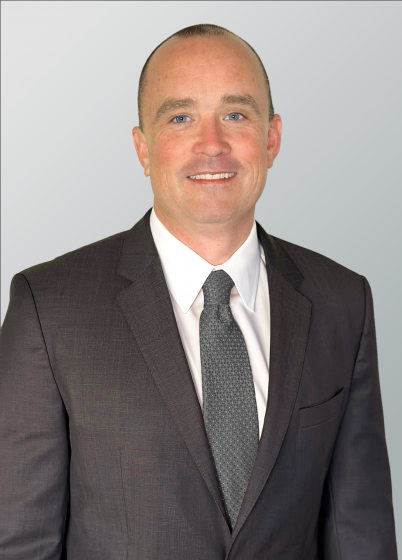
Eric Freeby,
Member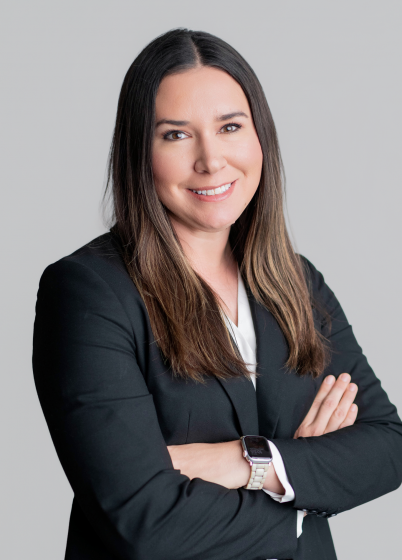
Alyssa Jacobs,
Member
What Is Considered A Special Needs Adoption In Texas?
Texas utilizes specific administrative criteria to help waiting children find permanent, loving homes equipped to support them. These guidelines look beyond a single medical diagnosis to consider broader circumstances affecting placement.
Under state regulations, a child may qualify for this administrative designation based on specific factors:
- Age milestones, particularly children six years of age or older who wait longer for permanent placement.
- Sibling bonds, applying to groups of two or more children remaining together in the same household.
- Racial or ethnic backgrounds, reflecting children from minority groups facing systemic placement delays.
- Documented medical needs, including physical disabilities, chronic health conditions, or ongoing specialized care.
- Developmental or emotional support needs, such as neurodivergent conditions, learning delays, or trauma-informed care requirements.
Securing this designation establishes eligibility for monthly subsidies, Medicaid coverage, and ongoing state services long after your court finalization day.
Can You Adopt A Special Needs Infant In Texas?
You can adopt a newborn with diagnosed medical conditions or specialized healthcare needs. While many subsidized adoptions happen through the state foster system, private domestic placements also involve infants who require specialized medical attention from day one.
In private infant adoption, healthcare needs may be identified during prenatal care or shortly after birth. If you choose to work with a licensed professional, the best adoption agencies provide essential oversight, matching services, and practical support throughout the placement.
As your Texas infant adoption attorney, we prepare all necessary agreements and guide voluntary consents with compassion. We also confirm post-placement subsidies prior to court finalization to ensure your family’s future is legally secure.
Foster Care Adoption Vs. Private Adoption For Special Needs Children
Both foster care adoption and private domestic adoption create permanent families, yet their legal procedures and support structures differ.
Foster care adoption operates through the state child welfare system, where family reunification remains the initial goal until a Texas court formally terminates parental rights. Completing a Texas foster care adoption follows state court dockets, where qualifying children receive monthly state subsidies and Medicaid healthcare coverage.
Private domestic adoption relies on the voluntary relinquishment of parental rights, arranged independently or coordinated alongside an agency team. While private placement follows distinct statutory timelines, infants with documented medical conditions can still qualify for non-recurring legal expense reimbursements and federal adoption tax credits.
Financial Assistance Available After Special Needs Adoption In Texas
Texas provides structured assistance programs so financial constraints never stand in the way of a child joining a loving family. To support prospective parents, Texas offers several key financial assistance programs approved prior to court finalization:
- Monthly adoption subsidies negotiated prior to court finalization to assist with daily care and specialized therapy costs.
- Medicaid healthcare coverage providing comprehensive medical benefits until age 18 or 21.
- Non-recurring expense reimbursements offering one-time payments for qualifying legal fees, agency costs, and court filing fees.
- Federal adoption tax credits offsetting qualifying adoption expenses during the tax year your adoption finalizes.
Because qualification details depend on your child’s specific placement path, our team reviews your agreements early so all eligible benefits are secured before your court date.
What Does The Texas Adoption Process Look Like?
Completing an adoption in Texas involves several key statutory steps designed to protect your parental rights and secure your child’s legal foundation.
Our experienced attorneys navigate these steps with you to ensure a comfortable, confident experience:
- Choosing your pathway by selecting between foster care adoption or private placement, whether independently or alongside a trusted agency.
- Completing your home study through background checks, home visits, and preparation courses with a licensed provider.
- Securing placement through collaboration with state caseworkers, placement professionals, or your agency team.
- Fulfilling post-placement supervision through required supervisory visits to confirm your family is adjusting well.
- Finalizing in court by filing a formal adoption petition, where a Texas judge issues the decree granting full legal parental rights.
Our Texas family-building attorneys, including Eric Freeby and Alyssa Jacobs, guide you through every petition and court filing. We handle the legal complexities so you can focus on bonding with your child.
Foster + Bloom Helps Texas Families Navigate Special Needs Adoption
At Foster + Bloom, family-building law is not simply one of our practice areas—it is our sole focus, mission, and heart. As the nation’s most experienced law firm dedicated exclusively to family-building, we transform complex legal requirements into a clear path forward.
Whether you are navigating the foster care system, pursuing private adoption independently, or partnering with an adoption agency, we collaborate with caseworkers and medical specialists to manage state documentation and confirm subsidy eligibility.
By taking the stress off your shoulders, we give you the genuine peace of mind that your modern family is legally secure.
Speak With A Texas Special Needs Adoption Attorney
Starting a family should feel exciting, and having experienced legal advocates by your side brings steadfast guidance to every step.
Reach out to Foster + Bloom today to connect with our Texas team and begin establishing your family’s legal foundation.