


Relative Adoption Attorneys and Legal Services
Relative adoption (also known as kinship adoption) is the legal process through which a family member adopts a child related to them by blood or marriage. This includes grandparents, aunts, uncles, siblings or other relatives formalizing their role as a child’s legal parent.
Understanding how to adopt a relative involves navigating state legal requirements, managing consent issues and completing documentation that protects everyone involved. The process can feel overwhelming, especially when you’re balancing the emotional weight of your family’s circumstances with complex legal steps.
That’s where Foster + Bloom comes in. Our kinship adoption lawyers understand that you have a connection with this child. We provide the legal expertise you need while honoring the emotional complexity of your situation.
Relative Adoption Legal Services
Our attorneys provide comprehensive kinship adoption assistance tailored to your family’s unique circumstances. Here’s how we support families pursuing relative adoption:
- Adoption Consultation and Case Assessment: We start by learning your family’s unique situation and reviewing what your state requires for relative adoption.
- Legal Documentation and Court Filing: We draft and submit all required adoption paperwork to the court, making sure every detail meets your state’s legal standards.
- Consent and Parental Rights: We walk you through the consent process and handle situations where a biological parent’s rights need legal resolution.
- Court Representation and Finalization: We stand with your family in court, presenting your case and managing all proceedings until the judge grants the final adoption decree.
- Post-Adoption Services: Once your adoption is complete, we’re available to help with birth certificate updates, name changes, updating wills and any other legal needs that emerge as your family moves forward.
Our Relative Adoption Attorneys






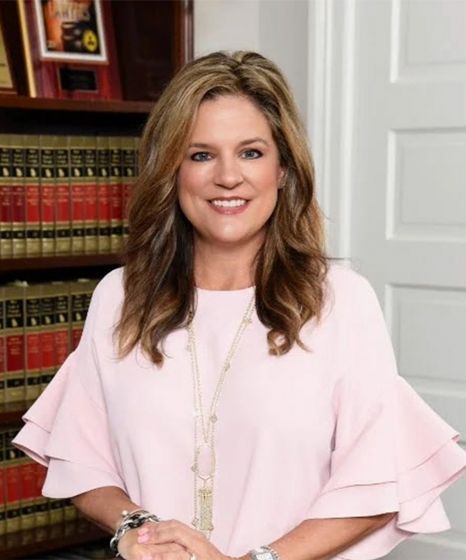






Relative Adoption Attorneys Near You
Looking for a kinship adoption lawyer near you? Our experienced team serves families across multiple jurisdictions. We currently serve families in:
- Arkansas
- California
- Colorado
- Florida
- Illinois
- Indiana
- Kansas
- Maryland
- Missouri
- North Carolina
- Ohio
- Virginia
- Washington
- Washington D.C.
What Our Clients Say
Our clients consistently highlight the personal attention and legal knowledge our attorneys bring to the table. Here’s what they have to say about working with our team:
“Kelly is one of a kind! She has incredible knowledge of all things adoption. She is tenacious and makes you feel like her priority no matter how much she has on her plate! It was a pleasure having her by our side and in our corner! It was awesome watching her work! She is nothing short of amazing at what she does!” –Jessica
“Janna knows a lot about adoption law, and was just what we needed to finalize the adoption of our little one. She’s a pleasure to work with, knowledgeable and just a wonderful individual and lawyer!” –Jenny
What Makes Foster + Bloom’s Relative Adoption Legal Services Different?
Our approach combines deep legal expertise with genuine understanding of the emotional complexities families face during kinship adoption.
Here’s what sets us apart:
- 185+ Years of Combined Experience: Our attorneys know how to navigate even the most complex kinship adoption cases.
- Licensed in 14 States and Counting: We know the specific requirements, procedures and nuances of adoption law in your jurisdiction.
- Champions for Every Family’s Story: Whether you’re adopting to provide stability after a crisis or formalizing an arrangement that’s been in place for years, we celebrate your family’s unique journey.
At Foster + Bloom, we recognize that relative adoption formalizes a commitment you’ve likely already made in your heart and daily actions. You’re not just filling out paperwork — you’re protecting a child who depends on you. Let us provide the legal foundation your family needs so you can focus on what matters most.