

Adopting from Foster Care in Union County: The Complete Path
Choosing to adopt a child from foster care is a major milestone for your household. While North Carolina’s adoption laws involve many moving parts, understanding how the process works right here in Union County can make your path forward feel much clearer.
We clarify local court procedures so you can take each step with confidence. While licensed adoption agencies provide essential training and day-to-day placement support, our team steps in to handle the official court filings that secure your child’s legal place in your family. We are here to map out those legal steps and discuss your goals, leaving you free to focus on welcoming your child home.
Why I Practice in Family Law: "Every child deserves to live in and be loved by a family. Not every family's path to parenthood is the same, and competent and compassionate legal guidance is essential in family formation."Meet Your North Carolina Attorney
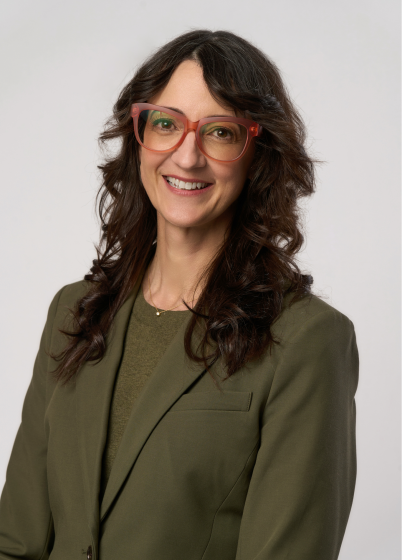
Kelly Dempsey,
Managing Member/Founder
Adopting From Foster Care in Union County, North Carolina: What Families Should Know First
Adopting a child from foster care in Union County involves a network of local professionals, including social workers, licensed placement agencies, and legal advocates. Families living in our area work closely with the Union County Department of Social Services (DSS), located on Goldmine Road in Monroe.
By law, DSS must first prioritize family reunification, partnering with biological parents to build a safe home environment. If a court determines that reunification is not a safe or viable option, adoption becomes the primary goal. At this stage, the child becomes eligible for permanent placement.
North Carolina law sets clear eligibility criteria for prospective parents. To adopt from foster care in our state, you must meet several key requirements:
- Be at least 18 years old.
- Pass comprehensive criminal background checks and registry clearances.
- Complete the state-mandated parent education and licensing process.
You will also complete a pre-placement assessment, commonly called a home study. Far from an interrogation, this process simply evaluates your household environment, financial stability, physical health, and overall readiness to parent to ensure a safe, supportive match.
Working with a licensed agency during this phase is highly beneficial. Agency staff guide you through classes, coordinate with matching registries, and manage the logistics of finding a child.
How Does Foster Care Adoption Work in Union County?
Once a child is placed in your home and adoption is designated as the permanent plan, the formal legal process begins. Your adoption petition is the core document we file with the Clerk of Superior Court at the Union County Judicial Center in Monroe, asking the court to legally establish your parent-child relationship.
Following the filing, the court orders an adoption report to verify that the placement serves your child’s best interests. This report is typically prepared by Union County DSS or your supervising licensed agency.
By law, the court must hold a hearing on the petition within six months of the filing date. Behind the scenes, we compile all required parental consents, background clearances, and supporting documents to prevent procedural delays.
When the Clerk of Superior Court approves the petition, they issue an official adoption decree, legally recognizing your permanent relationship as parent and child.
We also assist families in applying for North Carolina’s adoption assistance programs. Many children transitioning from foster care qualify for monthly financial support, Medicaid coverage, and legal fee reimbursements to ease the family’s transition.
Post-Adoption Support in Union County
The transition does not end when the court decree is signed. You can access specialized, local post-adoption resources through organizations like the Children’s Home Society of North Carolina, which offers:
- Family counseling to navigate new household routines and developmental changes.
- Parenting workshops focused on trauma-informed care and child development.
- Peer support groups connecting you with other adoptive families in the Monroe area.
Can Foster Parents Adopt the Child Already Living in Their Home?
Many families begin their journey by offering temporary safe harbor as foster parents, later deciding to adopt the child in their care. Fostering-to-adopt is one of the most common ways families grow in our community.
If the child in your care cannot safely return to their biological family and parental rights are terminated, the court routinely looks to foster parents first for permanent placement. Legally securing this transition solidifies the daily routines, stability, and deep bonds you have already built.
Navigating this shift requires open communication with Union County DSS and a clear understanding of your legal rights. We handle the transition from foster caregiver to legal parent, ensuring your family’s relationship is fully protected under state law.
Special Situations in Foster Care Adoption
Relative and Kinship Adoptions
When children enter the foster system, social workers prioritize placing them with grandparents, aunts, uncles, or close family friends to keep them connected to their roots. This kinship care brings unique family dynamics, and formalizing the relationship through relative adoption provides the child with long-term legal security.
We frequently guide relative caregivers through this process, which we explain in detail in our guide to relative adoption services in North Carolina.
If you are bringing a relative’s child to North Carolina from another state, the placement must comply with the Interstate Compact on the Placement of Children (ICPC). We can help coordinate this complex, multi-state regulatory process to avoid delays.
Adopting Sibling Groups or Older Children
Adopting a sibling group allows brothers and sisters to grow up together, preserving crucial childhood bonds. Older children and teenagers in foster care often wait the longest for permanent homes, yet parenting a teen offers the unique reward of guiding them into independent adulthood.
Subsidies are often available to help families access medical, therapeutic, and educational resources for children with specific developmental or emotional needs.
Why Families in North Carolina Work With Foster Care Adoption Attorneys
Adoption law requires complete accuracy in court filings. While your agency and social workers handle excellent day-to-day work, they cannot act as your legal counsel or represent you before a judge.
A dedicated family-building attorney manages the procedural details of your case. Our role is to keep your timeline on track, coordinate directly with Union County DSS, and resolve administrative hurdles. By working closely with local DSS offices and the courthouse clerks in Monroe, we ensure every petition, consent form, and home study meets local expectations.
We stand by families in complex or contested adoptions, providing experienced representation so you can step back from the legal details and focus on your child.
Talk With Foster + Bloom About Foster Care Adoption in Union County
At Foster + Bloom, family-building law is not just one of our practice areas—it is our sole focus. We understand the high stakes of these legal steps, which is why we offer clear, practical guidance at every turn.
By handling the paperwork and court requirements, we give you the space to focus on bonding with your child. Whether you are working with a matching agency, transitioning from fostering to adopting, or raising a young relative, we are ready to help you navigate local DSS procedures and secure your child’s legal future.
Let’s discuss your family’s goals. Our team is ready to start the conversation whenever you are.